
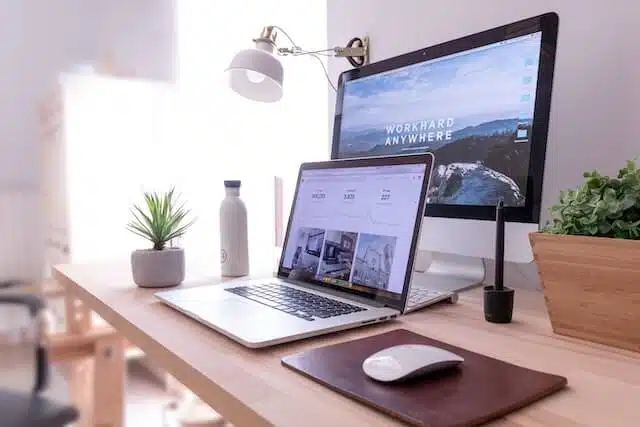
You’ve probably heard that a website’s design is important, but what does that mean for your business? In this blog post, we’ll discuss some website design best practices you should be aware of. By following these tips, you can create a website that’s not only visually appealing but also user-friendly and effective. Keep reading to learn more!
-
Make sure your website is responsive
In today’s world, it’s important that your website is accessible on all devices. People use smartphones, tablets, and laptops to access the internet, so you need to make sure your site can be viewed on all of these platforms. A responsive design automatically adjusts to fit any screen size, making it easy for users to view your content no matter what device they’re using. Web design agencies like Studio Moso (Melbourne Australia) spend a lot of time ensuring that their websites look amazing on all devices and screen sizes.
-
Use high-quality images
The quality of the images you use on your website makes a big difference in how professional and trustworthy your site looks. When selecting images, opt for those that are high resolution and have a clean, polished look. Avoid using stock photos that look staged or fake, as these can turn off potential customers.
-
Keep your design simple
When it comes to website design, less is often more. A simple, clean design is easy for users to navigate and doesn’t overwhelm them with too much information at once. Stick to a few colours and fonts, and use whitespace to break up different sections of your site.
-
Use calls to action
Calls to action (CTAs) are important elements of any website, as they tell users what you want them to do next. Whether you’re asking visitors to sign up for your newsletter or download a white paper, make sure your CTAs are clear and effective. Use strong verbs and persuasive language to encourage users to take action, and place your CTAs in strategic locations on your site.
-
Pay attention to typography
The way you use fonts on your website can have a big impact on its overall look and feel. Make sure to select fonts that are easy to read and pair them with complementary colours. Avoid using too many different font types, as this can make your site appear cluttered and confusing.
-
Prioritise navigation
Your website’s navigation should be intuitive and easy to use. Users should be able to find what they’re looking for quickly and easily, so make sure your navigation is well-organised and logical. Include a search bar on your site so visitors can quickly find the specific page or piece of information they’re looking for. Most web developers would consider this as web design best practice, and an essential element to any website.
-
Optimise your website for search engines
Search engine optimisation (SEO) is a critical part of any website design. By hiring an agency to optimise your site for search engines, you can improve your visibility in search results and attract more visitors to your site. Make sure to use relevant keywords throughout your site, and structure your pages in a way that makes them easy for search engines to crawl.
-
Incorporate social media
Social media is a powerful tool that can help you promote your business and connect with potential and current customers. If you haven’t already, create accounts on popular social media sites like Facebook, Twitter, and Instagram. Then, start sharing your content and engaging with your audience.
-
Use analytics to track your progress
Website analytics can help you track your progress and see how well your site is performing. Google Analytics is a free tool that provides detailed insights into your website traffic, including where visitors are coming from and what pages they’re viewing. By monitoring your analytics, you can make changes to improve your website’s performance over time.
-
Make sure your website is accessible
Accessibility is an important consideration for any website. There are a variety of disabilities that can make it difficult for users to access and use your site, so it’s important to design with accessibility in mind. Include alt text with all of your images, and use clear and concise language throughout your site. Avoid using Flash or other technologies that may
By following these website design best practices, you can create a site that’s not only visually appealing but also user-friendly and effective. Keep these tips in mind as you work on designing or redesigning your website, and contact a professional if you need assistance.
Recent Comments