
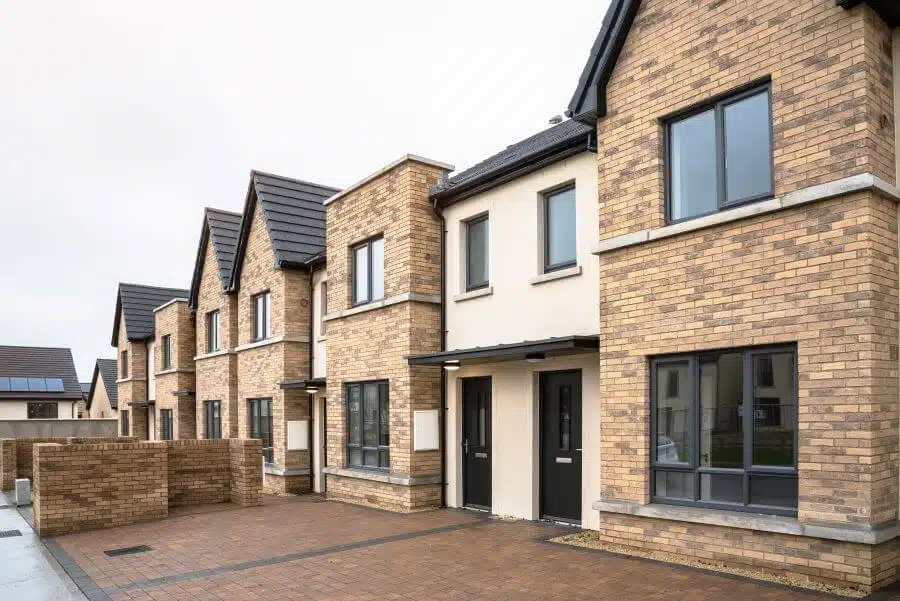
There are approximately 25 million dwellings in England, which considering the population is 56,536,000 means that clearly there is demand, and the only factors stopping you selling a property is price, location, and condition. And even a run down building is considered a do-er upper with potential and an easy investment opportunity.
So marketing to sell a property frankly should be a breeze. Demand outstrips supply, with really the only issue ever over-pricing, but that’s only just to the extent of affordable issues. Admittedly chains collapse, mortgages are refused, and people change their minds. But mostly, sales go through without a hitch.
For first-time buyers the big issue is being priced out, or the cost needed to renovate to a certain standard for inhabiting. Often for this reason, new builds are the ideal first home as it’s often within budget. Frankly, some people may argue it’s the only reason to live in Peacehaven.
So do you think the houses of today are as good as they used to be? It’s no secret that newbuild houses don’t always have the best reputation. They’re pretty, nice and new, but they often have problems like poor drainage. On average, in the UK, According to research, 51% of newbuild homeowners report issues. But lets be fair, if you buy a new home in any other way, there is often unexpected problems and no-one to complain too. The expectation is only there as it’s a brand new property with a warranty.
So if you are trying to market one, it’s always good to address concerns and reservations from the off. And there are so many advancements in technology and changes in construction methods, that the characteristics of modern homes have evolved significantly.
Below, we’ll explore the questions of housing quality, including material standards, design innovations, and sustainability practices. As understanding the product is literally the key to success to marketing.

Due to demands for affordable property in Brighton and Hove, there is near constant building development
The Evolution of Building Materials and Construction Techniques
The construction industry has witnessed incredible advancements in sophisticated materials – it’s the same in every industry. It was almost impossible to envision that innovation in technology and materials would come this far. You’ve got everything from sophisticated precast dock leveller systems, streamlining installations and improving durability at mechanical stress points, to innovations including modular building techniques and integrating smart technology in building materials. The list could go on.
Advancements in Home Automation and Smart Technology
Home automation and smart technology are…smart. Technology is defining the modern era of houses.
Most of today’s homes have smart systems with features like automated climate control, security, lighting, and energy management. It’s the future of innovative home design.
These smart-systems integrate seamlessly with mobile devices. They give homeowners real-time control over their living environments from anywhere in the world. This technological leap improves the homeowner’s ability to manage energy consumption effectively and enhances security and overall comfort. These systems learn from homeowner behaviours, which makes them even more sophisticated.
It won’t be long until almost 100% of homes have features like this.
Sustainability and Energy Efficiency
Sustainability has become essential in modern construction practices. Today’s homes are designed with energy efficiency in mind, using materials and technologies to reduce carbon footprints and energy consumption. Currently, UK homes contribute to 16% of the total carbon emissions in the UK.
Features like double or triple-glazed windows (triple is becoming more common), enhanced insulation materials and smart home technologies are now standard in many new homes as we mentioned. These features improve the living environment by aligning with global efforts to combat climate change by minimising energy waste.
Longevity and Maintenance
Yes, modern homes have advanced technologies and materials, but there are concerns about their longevity and the need for frequent maintenance. Some critics argue that despite technological advances, the lifespan of newly constructed homes may not necessarily exceed those built in the past. That’s due to the use of lightweight materials and fast-track construction methods.
Still, proponents of modern construction practices point to using robust materials, so that’s up for debate. And, most of the time, it’s the workmen blaming their tools when, in fact, it’s the quality of the workmen. But that’s another argument altogether.
The debate over whether modern homes are as good as or better than those from previous generations depends on the criteria you’re considering. Yes, contemporary homes may feature cutting-edge technologies and materials, but the essence of quality construction also depends on craftsmanship, design, and attention to detail.
Recent Comments